1. Introduction
In recent decades, the demand for noninvasive aesthetic procedures in the female genital region has increased significantly, driven by sociocultural changes, greater bodily autonomy, and technological advancements. Among emerging techniques, fractional CO₂ laser therapy has gained prominence as a promising alternative for vulvar rejuvenation, targeting both aesthetic and functional outcomes [1-3]. Natural aging, combined with hypoestrogenism associated with the climacteric period, multiparity, obesity, and local trauma, may lead to visible vulvar changes, including hyperpigmentation, laxity, wrinkles, and decreased vulvar skin hydration [3]. These alterations not only compromise intimate aesthetics but may also negatively impact women’s self-esteem and sexual well-being.
Despite the growing clinical and commercial interest in vulvar rejuvenation, significant gaps remain in the literature regarding the standardization of therapeutic protocols, specific indications, and long-term outcomes. Li et al. [4] reported relevant aesthetic improvements in Asian women following three sessions of fractional CO₂ laser, including enhanced vulvar texture and reduced hyperpigmentation; however, the authors acknowledged the lack of robust studies in Latin American populations. Similarly, Anis et al. [5] highlighted that although clinical benefits in postmenopausal women appear promising, comparative evidence assessing the effects of CO₂ laser across different age groups and sociocultural contexts is still lacking. On the other hand, Cheng et al. [6] argued that surgical intervention remains the most effective approach for severe laxity, recommending laser therapy primarily for mild to moderate cases. This diversity of perspectives underscores the need for regional studies that consider specific clinical, cultural, and demographic variables related to the use of fractional CO₂ laser in the intimate area.
Furthermore, several studies addressing vulvar rejuvenation associate these treatments not only with aesthetic improvements but also with functional indications, such as reduction of wrinkles and/or laxity of the labia majora, decreased prominence of the labia minora, and improvement of hyperpigmentation.
In Brazil, there has been a growing demand for intimate aesthetic treatments, reflecting increased concern for quality of life as well as greater female empowerment regarding sexual and bodily health [7]. However, the national scientific literature on vulvar rejuvenation using fractional CO₂ laser remains scarce and fragmented. Some studies [8,9] emphasize the importance of understanding patients’ perceptions and expectations, clinical indication criteria, and subjective satisfaction outcomes, which are essential to validate the effectiveness of this type of procedure across different cultural and regional contexts.
In this context, it is essential to report the accumulated experience of Brazilian professionals who have been systematically applying this technique, providing clinical and observational data that may contribute to the refinement of protocols and the consolidation of this approach for purely aesthetic outcomes in the female intimate region.
Therefore, the present study aimed to describe the Brazilian clinical experience with the use of fractional CO₂ laser for vulvar rejuvenation over a one-year period of specialized care, focusing on women presenting aesthetic concerns related to vulvar texture, pigmentation, wrinkles, and laxity. We hypothesize that the treatment promotes perceptible aesthetic improvement with an adequate safety profile, resulting in high patient satisfaction rates. The central premise is that the systematic application of fractional CO₂ laser represents an effective and noninvasive alternative for vulvar rejuvenation in Latin American populations, whose physiological characteristics and cultural demands remain underrepresented in the international literature.
2. Methodology
This study was designed as a retrospective, descriptive observational study aimed at reporting the Brazilian clinical experience with the use of fractional CO₂ laser for vulvar rejuvenation.
In addition, to provide a theoretical foundation and support data interpretation, an integrative narrative literature review was conducted using the PubMed, Scopus, Web of Science, Google Scholar, and SciELO databases. The following descriptors and Boolean operators were applied: (“fractional CO₂ laser” OR “carbon dioxide laser”) AND (“vulvar rejuvenation” OR “intimate aesthetics” OR “genitourinary syndrome of menopause” OR “vulvovaginal atrophy”). Clinical trials, systematic reviews, and technical guidelines published between 2006 and 2025 were prioritized. The study selection and inclusion process followed an approach adapted from the PRISMA 2020 statement.
In addition to the literature review, this study comprised data obtained through a retrospective analysis of medical records from patients treated over approximately one year (2025–2026) in the city of Sorocaba, São Paulo, Brazil. The aim was to describe the authors’ clinical experience using fractional CO₂ laser in patients presenting aesthetic concerns in the intimate area. The analysis included the description of individualized treatment protocols, statistical data on patient satisfaction, and observed treatment outcomes.
3. Results and Discussion
3.1. Vulvar Aesthetic Disorders
Vulvar aesthetic disorders encompass a set of changes in the appearance of the female external genitalia which, although not associated with significant organic pathology, may lead to psychosocial distress and dissatisfaction with body image. The most commonly reported concerns include labia majora laxity, hyperpigmentation, skin roughness and irregular vulvar texture, marked asymmetry between the labia majora and minora, and a subjective perception of an “aged” or “unfavorable” appearance of the intimate region [10,11].
These alterations may be associated with physiological factors such as the natural process of skin aging, estrogen decline during the climacteric and postmenopausal periods, reduced dermal collagen and elastin, and decreased tissue hydration, all of which contribute to loss of tone and visible structural changes [12].
From a psychosocial perspective, vulvar appearance influences genital self-image and may be associated with body dissatisfaction, reduced self-esteem, and negative impacts on sexual life. Evidence suggests that women with a negative genital self-image are more likely to report sexual dysfunction and emotional distress, including avoidance of intimate relationships and insecurity in situations involving genital exposure [13].
Within this psychosocial context, studies indicate that a substantial proportion of women express concerns regarding the appearance of the labia majora and minora, reporting impacts on self-esteem and sexuality even in the absence of formal surgical indication. Approximately one-fifth of participants in multicenter studies reported interest in aesthetic procedures for the intimate region [14].
Furthermore, genital aesthetics should be understood within the broader context of female genital cosmetic interventions, which have experienced increasing global demand. Recent reviews indicate that many healthcare professionals recognize that women frequently express concerns about the “naturalness” or appearance of their genitalia, and that there is significant variability in perceptions of what constitutes an “acceptable” or “desirable” genital appearance, reflecting sociocultural influences and contemporary aesthetic standards. However, there remains a lack of consensus among healthcare providers regarding the actual benefits of such interventions for quality of life or sexual function [15].
In this sense, disappointment with vulvar aesthetics is not an isolated phenomenon but is closely linked to sociocultural establish, subjective expectations, and media influences on the female body. The growing demand for intimate aesthetic procedures highlights the importance of approaches that consider not only anatomical and functional aspects but also the breakdown of taboos and body self-concept related to the female genitalia [16].
Thus, vulvar aesthetic disorders represent a spectrum of conditions that may compromise women’s subjective quality of life, supporting the need to investigate effective therapeutic approaches such as minimally invasive technologies for their clinical and aesthetic management.
In this context, vulvar appearance may affect not only body image but also be associated with subjective discomfort, reduced intimate relationships, and dissatisfaction with one’s own appearance, reinforcing the importance of therapeutic strategies that address both the physical and emotional dimensions of vulvar aesthetic disorders.
3.2. Fractional CO₂ Laser and Its Applicability in Female Intimate Aesthetics
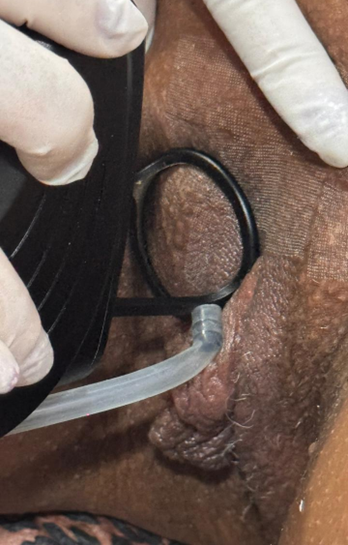
Fractional CO₂ laser has become one of the most widely studied and utilized technologies regarding female intimate aesthetics, particularly in non-surgical procedures aimed at vulvar and vaginal tissue rejuvenation (Figure 1). It is an ablative fractional laser that emits energy at a wavelength highly absorbed by tissue water, promoting controlled microablation and a thermal effect that stimulates collagen production. This process enhances tissue remodeling, improving both the external appearance and functional aspects of the female genital region [1,3,4,17].
From a technical standpoint, fractional CO₂ laser creates multiple columns of thermal injury interspersed with areas of untreated tissue, facilitating tissue regeneration with a lower risk of adverse scarring compared to traditional ablative lasers. This mechanism stimulates collagen and elastin synthesis, improves skin texture and firmness, and may contribute to the homogenization of aesthetic irregularities in treated areas [1,4].
Although robust literature specifically addressing aesthetic treatment in the vulvar region remains relatively limited, early studies have demonstrated promising results. In a study involving women who underwent three sessions of fractional CO₂ laser, significant improvements in vulvar texture and reduction of hyperpigmentation were observed, along with favorable subjective patient reports and no substantial adverse events during follow-up [4]. In another study [17], forty postmenopausal women were treated in both the vulvar and endovaginal regions using fractional CO₂ laser. The authors reported a significant improvement in the Vaginal Health Index after the first treatment. Histological findings demonstrated increased collagen deposition and elastic fibers, as well as a thicker epithelium with a greater number of cell layers and improved superficial maturation. Supporting these findings, Salvatore et al. [18] previously demonstrated that fractional CO₂ laser promotes connective tissue remodeling, including neocollagenesis and elastic fiber formation.
A comprehensive review study indicated that the application of this technology in genitovaginal tissues is associated with improvements in vulvovaginal health and patient satisfaction, although it emphasizes the need for larger randomized clinical trials to strengthen the evidence base [1].
The clinical use of fractional CO₂ laser is not limited to external aesthetics; studies involving the treatment of symptoms associated with genitourinary syndrome of menopause and vulvovaginal atrophy suggest benefits in tissue elasticity, lubrication, and sexual functionparameters closely related to both comfort and intimate aesthetic perception [3,19,20]. However, it is important to emphasize that the current body of evidence remains heterogeneous, with methodological differences across studies, variations in treatment parameters (energy, number of sessions, intervals), and follow-up durations that preclude definitive conclusions regarding long-term efficacy and safety.
In parallel, in 2019, international organizations and guidelines highlighted the limited availability of level I evidence supporting the routine use of these technologies for genital rejuvenation, particularly when promoted as universal solutions without clear clinical indication. Critical review documents considered the use of lasers in this region promising, but emphasized the need for further controlled data before broad clinical recommendations can be made [21].
Clinically, some authors [5] suggest that the application of fractional CO₂ laser in female intimate aesthetics requires individualized assessment, adequate technical expertise, and transparent discussion with patients regarding expectations and limitations based on current scientific evidence. Technology may be particularly useful in cases of mild to moderate aesthetic alterations, especially when aesthetic concerns predominate or when noninvasive approaches are preferred over traditional surgical interventions.
In the context of fractional CO₂ laser application in vulvar aesthetics, Table 1 summarizes the main mechanisms of action associated with this technology.
| Effect | Mechanism of Action |
| Fractional microablation | Creates controlled columns of thermal injury, resulting in tissue remodeling |
| Collagen and elastin stimulation | Promotes increased skin firmness and tone |
| Improvement in texture and pigmentation | Relevant for vulvar aesthetic concerns |
3.3. Vulvar Rejuvenation Using Fractional CO₂ Laser – Clinical Experience in Brazil
Considering that recent studies have demonstrated significant improvements in skin texture, tone, and vulvar pigmentation following treatment with fractional CO₂ laser, without the occurrence of relevant adverse events [4,17,18], there remains a demand for detailed and contextualized clinical descriptions. And that literature reviews have indicated potential benefits in vulvovaginal health and patient satisfaction, despite highlighting the scarcity of high-level evidence and the need for standardized therapeutic protocols [1]. Furthermore, guidelines and critical position statements have recommended caution in the application of this technology outside controlled research settings, given the current limitations of available scientific evidence [21].
In this context, the present section describes the clinical experience developed in Brazil with the use of fractional CO₂ laser in vulvar aesthetics, detailing inclusion criteria, evaluation methods, applied protocols, and observed outcomes, with the aim of contributing to the practical understanding of this technology in improving vulvar aesthetic appearance.
3.3.1. Patient Population and Inclusion and Exclusion Criteria
During the study period, 47 women aged between 25 and 65 years were evaluated and included for treatment, presenting vulvar aesthetic concerns such as skin laxity, hyperpigmentation, wrinkles, decreased hydration, or general aesthetic dissatisfaction with the intimate region.
Based on the findings of Borges et al. [22], the following exclusion criteria were adopted: active infection in the treatment area, active herpes simplex infection, recent use of isotretinoin (within 6–12 months), active oncological disease, severe immunosuppression, active autoimmune disease, pregnancy or lactation, history of keloids or hypertrophic scars, prior ablative laser treatment in the same area, chronic systemic conditions, and allergy or sensitivity to anesthetics. Additionally, given the intimate nature of the treatment area, local conditions such as lichen sclerosus, condylomatosis, or other dermatological disorders were carefully excluded.
All procedures were performed in a licensed aesthetic clinic regulated by the local health surveillance authority, located in Sorocaba, São Paulo, Brazil, between January 2025 and January 2026, totaling approximately one year of clinical practice involving patients with vulvar aesthetic concerns.
All patients provided written informed consent prior to treatment.
3.3.2. Initial Clinical Assessment
Prior to treatment, all patients underwent a comprehensive clinical evaluation. The authors’ clinical experience in intimate aesthetic conditions and vulvar procedures was applied to determine eligibility, personalize treatment parameters, and document baseline vulvar aesthetic conditions.
The evaluation included a complete gynecological physical examination, with particular attention to vulvar morphological characteristics such as skin texture, coloration, presence of irregularities, asymmetries, and signs of laxity or superficial atrophy. In addition to clinical assessment, standardized photographic documentation of the vulvar region was performed using consistent anatomical positioning to allow objective comparison across different stages of treatment and minimize bias in outcome evaluation.
This combined clinical and photographic approach provided a robust foundation for individualized treatment planning and outcome assessment, while respecting the anatomical, cultural, and emotional specificities of each patient.
3.3.3. Equipment and Technical Parameters
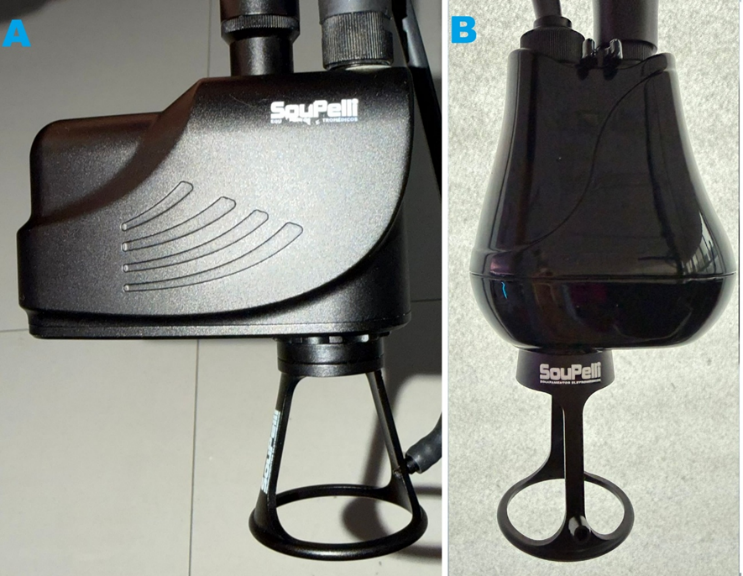
The vulvar rejuvenation procedures described in this clinical experience were performed using two national fractional CO₂ laser platforms developed by Soupelli® (Brazil). These devices offer technical versatility, customizable therapeutic parameters, and demonstrated safety in sensitive tissues such as vulvar skin.
Each device features fractional emission with either deep ablative microspots or superficial “microcoring” mode [23], with digital control of power, energy, spot density, pulse duration, and number of passes (overlap), allowing fine adjustments according to skin type, treatment area, and therapeutic objectives.
The two device models used, depending on availability in the clinic, were Vivaderm Smart™ and Vivaderm Superpulso™ (Soupelli Ind Com, Sorocaba-SP, Brazil). Each patient was treated with the same device throughout the entire protocol to ensure parameter standardization and greater reliability in outcome assessment.
The handpieces/scanners used were exclusively contact-type fractional devices commonly applied in facial and body treatments (Figure 2). The applied parameters ranged from 8 to 20 W of power, pulse duration between 0.8 and 1.0 ms, spot spacing from 0.8 to 1.4 mm, and overlap of 1 to 2 passes. Parameter selection was based on patient skin phototype, severity of vulvar aesthetic disorder, and therapeutic goals. For higher phototypes (IV–V), lower energy and density settings were used to minimize the risk of post-inflammatory hyperpigmentation.
Based on previous reports [24,25], when the superficial mode was used, it was consistently combined with the deep mode to enhance skin tightening and collagen production.
The flexibility in adjusting parameters according to device specifications ensured operational safety and technical reproducibility, promoting optimal tissue response without significant clinical complications.
3.3.4. Applied Clinical Protocol
The clinical protocol followed a standardized approach, tailored to the individual anatomical characteristics and aesthetic concerns of each patient. Eligible patients underwent a variable number of fractional CO₂ laser sessions according to clinical indication, baseline condition, and treatment response. The number of sessions ranged from one to a maximum of two, with intervals of 30 to 45 days between sessions, resulting in a total treatment cycle of approximately 60 to 90 days. This treatment interval is consistent with the findings of Samuels et al. [17], who reported significant collagen increase and vulvar rejuvenation following three treatment sessions performed at 30-day intervals.
Prior to each session, patients were positioned in the dorsal decubitus position with the lower limbs flexed and abducted to allow adequate exposure of the treatment area. The genital region was cleansed using a non-alcoholic chlorhexidine-based antiseptic solution. Subsequently, a topical anesthetic containing 7% lidocaine, 7% tetracaine, and 0.02% epinephrine was applied to the external vulvar region. The anesthetic was maintained for approximately 30 to 40 minutes to ensure patient comfort and minimize pain perception during the procedure. Before laser application, excess anesthetic was removed using gauze soaked in non-alcoholic chlorhexidine solution.
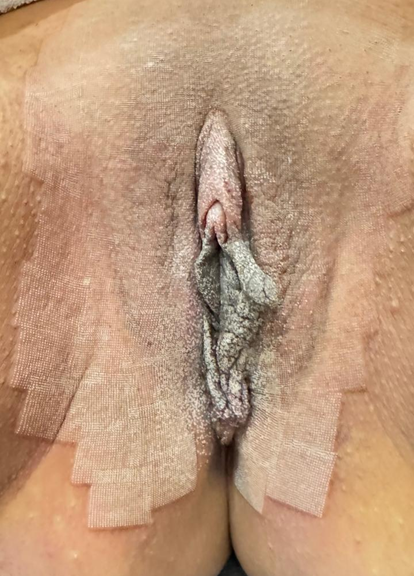
Laser application was performed using controlled fractional emission, following parameters previously defined based on clinical indication and therapeutic objectives. The treatment area targeted primarily the labia majora and lateral perineal region, while avoiding direct contact with the inner labial mucosa or vaginal introitus (Figure 3).
Although some authors [26-28] recommend external cooling before or after treatment as an adjunctive measure for thermal control and patient comfort, this approach was not employed in the present protocol.
The total procedure time ranged from 15 to 30 minutes per session, depending on the extent of the treated area.
Immediately after laser application, in order to take advantage of the transient “open channels” in the skin and enhance treatment efficacy [29-31], the treated area was covered with a compounded formulation containing tranexamic acid, alpha-arbutin, vitamins A and E, hyaluronic acid, and D-panthenol.
The delivery of active compounds through skin treated with fractional CO₂ laser is well described in the literature and is based on several mechanisms: the creation of vertical channels (microscopic treatment zones, MTZs) that temporarily disrupt the barrier function and allow direct transport of macromolecules into the dermis [30-32]; the conversion of light energy into mechanical energy through broadband unipolar compressive waves, leading to disruption of stratum corneum lipids and expansion of intercellular spaces, thereby creating transient pores in the cell membrane and skin surface without necessarily removing tissue [30,32]. And laser-induced thermal effects that alter lipid organization and protein structures, increasing drug permeability while maintaining tissue viability [30,33].
A systematic review and meta-analysis of randomized trials demonstrated that combining fractional CO₂ laser with hyaluronic acid dressings reduced crust formation time and desquamation, increased patient satisfaction and decreased the incidence of post-inflammatory hyperpigmentation compared to laser treatment alone [34]. In 2025, a prospective randomized trial using a multimolecular hyaluronic acid regimen following ablative fractional CO₂ laser reported improved recovery, including reduced transepidermal water loss (TEWL), erythema, and pain, as well as enhanced barrier repair [35].
The use of vitamins in post-laser formulations is supported by their antioxidant properties. In a randomized, double-blind, split-face trial [36], immediate and daily application of a formulation containing vitamins C and E and ferulic acid after ablative fractional laser significantly reduced edema and erythema compared to vehicle, and was associated with increased basic fibroblast growth factor (bFGF), suggesting accelerated tissue repair. These findings support the role of antioxidants not merely as skincare agents but as biologically active adjuvants in post-laser recovery, particularly in modulating inflammation and enhancing visible healing outcomes.
Following topical drug delivery, the treated area was covered with a “sealing” cosmetic formulation containing aloe vera, natural moisturizing factors (NMF), chamomile, essential fatty acids (omega), and calendula. Patients were instructed to maintain this coverage for at least four hours. After removal, patients were advised to apply topical dexpanthenol (Bepantol Derma®) three times daily. This hydration and wound-healing support protocol was maintained for up to seven days.
Regarding sealing coverage, comparative studies highlight the importance of occlusive or film-forming dressings in reducing exudate, pruritus, and early erythema compared to open healing after fractional CO₂ laser treatment [37-39]. In facial resurfacing, an interpenetrating polymer network dressing reduced exudate, erythema, and pruritus compared to petrolatum [37]. Subsequent reviews indicate that silicone-based or film-forming formulations help reduce erythema and preserve hydration by limiting TEWL [39]. A 2018 split-face study comparing an advanced film-forming gel versus thermal water plus petrolatum reinforced the concept of a “functional sealant” aimed at optimizing the healing environment after ablative fractional CO₂ laser [38].
In our clinical practice, dexpanthenol or panthenol-based formulations were routinely used to ensure adequate hydration and promote post-laser tissue repair. Supporting this approach, a prospective randomized study demonstrated faster wound closure and improved early re-epithelialization following ablative fractional CO₂ resurfacing when dexpanthenol ointment was used compared to petrolatum [40]. Another randomized split-face study showed that a moisturizer containing 5% panthenol, madecassoside, and copper-zinc-manganese reduced post-laser downtime (less edema, erythema, crusting, and desquamation), with efficacy comparable to 0.02% triamcinolone but without the drawbacks associated with topical corticosteroids [41]. From a practical standpoint, panthenol represents a rational choice when the goal is to combine hydration, barrier restoration, and modulation of early inflammatory discomfort.
In 15% of patients considered at risk for hyperpigmentation or with pre-existing vulvar hyperpigmentation—an adjunctive home-care protocol was implemented. This included a topical formulation containing tranexamic acid, alpha-arbutin, alpha-bisabolol, and kojic acid, applied every three hours during the first three days, prior to dexpanthenol application. Additionally, this subgroup received oral antioxidant supplementation for 15 days, consisting of Pinus sp. proanthocyanidins, Theobroma sp. polyphenols, Polypodium leucotomos, N-acetylcysteine (NAC), Punica granatum extract, carotenoids, and glutathione (two capsules every 8 hours), followed by a maintenance dose of two capsules once daily for an additional 15 days. The aim of this protocol was to enhance therapeutic outcomes and reduce the risk of post-inflammatory hyperpigmentation.
Tranexamic acid (TXA) is one of the most extensively studied agents for preventing laser-induced hyperpigmentation. Experimental studies suggest that TXA reduces laser-induced melanogenesis by modulating the plasmin–prostaglandin pathway and decreasing melanocyte activation following cutaneous inflammation [42]. A prospective study comparing fractional CO₂ laser followed by topical TXA versus ascorbic acid demonstrated superior melasma reduction in the TXA group, suggesting potential benefits of this strategy [43]. However, a meta-analysis concluded that current evidence remains insufficient to confirm definitive prevention of post-inflammatory hyperpigmentation [44].
Recent reviews on hyperpigmentation after fractional CO₂ laser indicate that there is a scarcity of robust clinical trials evaluating preventive strategies [45]. We found no specific clinical trials demonstrating the use of alpha-arbutin, alpha-bisabolol and kojic acid post-fractional CO₂ to prevent post-inflammatory hyperpigmentation.
Evidence supporting the use of alpha-arbutin, alpha-bisabolol, and kojic acid specifically in post-fractional CO₂ laser settings remains limited. However, studies combining alpha-arbutin with Q-switched Nd:YAG laser have shown clinical improvement in pigmentation disorders [46], and reviews suggest that formulations containing alpha-arbutin and kojic acid may offer efficacy comparable to traditional therapies with fewer adverse effects [47].
Regarding the oral antioxidant supplementation administered to the patients in this study, containing proanthocyanidins from Pinus sp., polyphenols from Theobroma sp., Polypodium leucotomos, N-acetylcysteine (NAC), Punica granatum extract, carotenoids and glutathione, we found no studies associating these active ingredients with the use of fractional CO2 laser. However, reviews indicate that compounds such as polyphenols, carotenoids, and phenolic agents may reduce oxidative stress and modulate inflammation following cutaneous injury [48].
After treatment, all patients received standardized post-procedure care instructions, including abstinence from vaginal sexual activity for at least seven days and avoidance of immersion in pools, seawater, bathtubs, or hot tubs during the same period. Patients were also advised to avoid direct sun exposure to the treated area, wear light clothing (preferably cotton underwear), and avoid tight garments or friction. Physical activities involving perineal friction were restricted for at least seven days.
Additional recommendations included gentle hygiene with mild cleansers, avoiding vaginal douching, perfumed products, irritant antiseptics, or potentially sensitizing cosmetics during the healing period. Hair removal methods were suspended for 10-14 days, and during menstruation, the use of external sanitary pads was preferred over tampons or menstrual cups. Patients were instructed to seek immediate evaluation in case of signs of complications, including progressive pain, purulent discharge, persistent bleeding, fever, or delayed healing.
Continuous follow-up was conducted via daily remote communication until complete healing, with in-person reassessment prior to subsequent sessions. This approach ensured adherence, early detection of adverse effects, and individualized adjustment of treatment parameters when necessary. The protocol proved to be safe and feasible for outpatient clinical practice, without the need for regional anesthesia or hospitalization.
3.3.5. Outcome Assessment Methods
Outcome assessment was conducted systematically through a combination of detailed clinical examination and standardized photographic documentation, aiming to ensure a comprehensive and reliable evaluation of treatment effects on vulvar aesthetics. A patient satisfaction questionnaire was also applied to assess subjective perception of treatment outcomes. Data analysis followed a qualitative descriptive approach, focusing on patterns of clinical response, degree of patient satisfaction, and safety-related aspects.
At each session and at the end of treatment, comparative clinical evaluation of the vulva was performed, focusing on the following parameters: skin texture (homogeneity, presence of irregularities), pigmentation and epidermal uniformity, turgor and firmness of the labia majora, symmetry of external vulvar structures, and presence of pathological conditions that could contraindicate the procedure.
These assessments were complemented by standardized photographic records obtained at three time points: baseline, after the second session, and 30 days after the third session when applicable. Imaging followed strict technical protocols regarding distance and positioning to ensure comparability and minimize bias.
All data were recorded in individual medical records and reviewed at the end of the protocol, allowing both qualitative and quantitative analysis, as well as longitudinal follow-up in cases requiring additional sessions.
3.3.6. Observed Outcomes
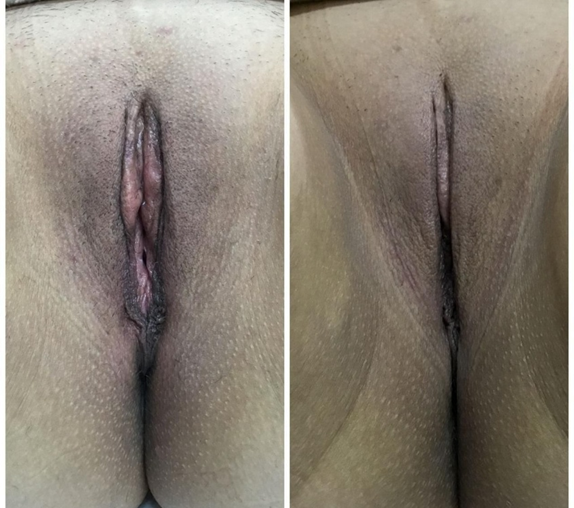
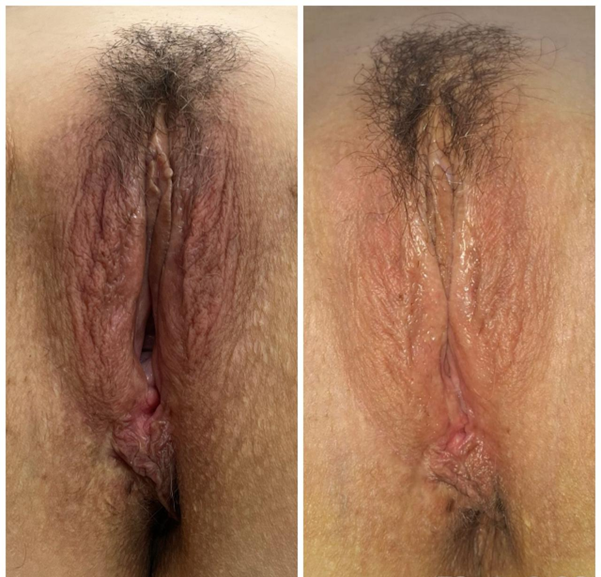
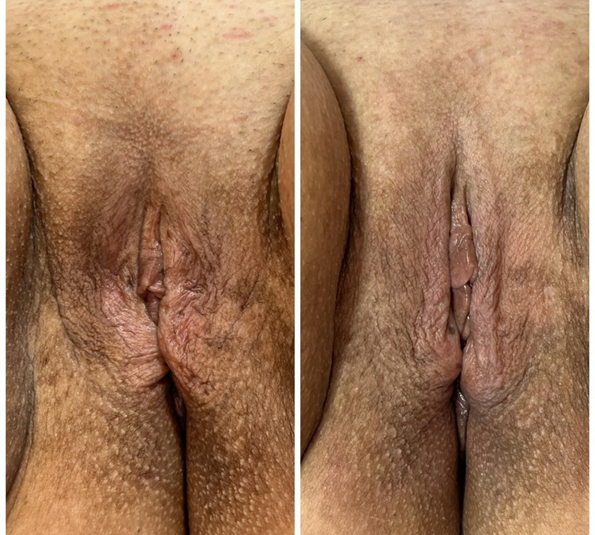
At the end of the proposed treatment protocol, comprising up to two sessions of fractional CO₂ laser, clinically relevant improvements in vulvar aesthetic appearance were observed in the majority of patients. The main positive outcomes included improved skin texture with reduced roughness, increased labia majora turgor, enhanced pigmentation uniformity, and mild improvements in vulvar contour and symmetry.
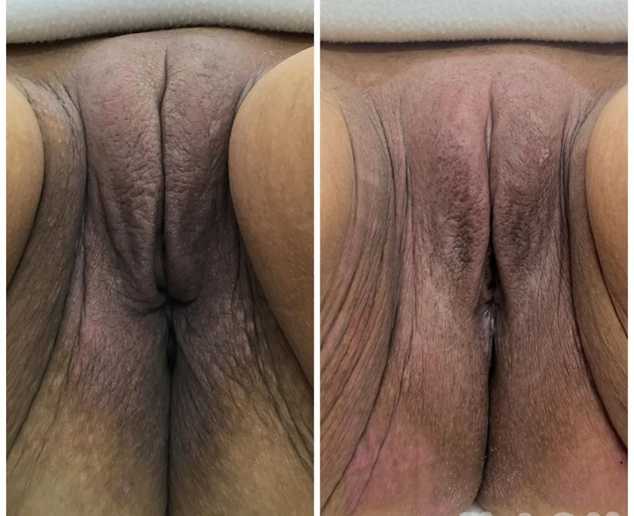
Comparative analysis of photographic records demonstrated visible improvements as early as after the first session, with progressive enhancement up to 30 days following the second session in some cases (Figures 4-8). This cumulative response was particularly evident in patients with mild to moderate laxity and diffuse hyperpigmentation.
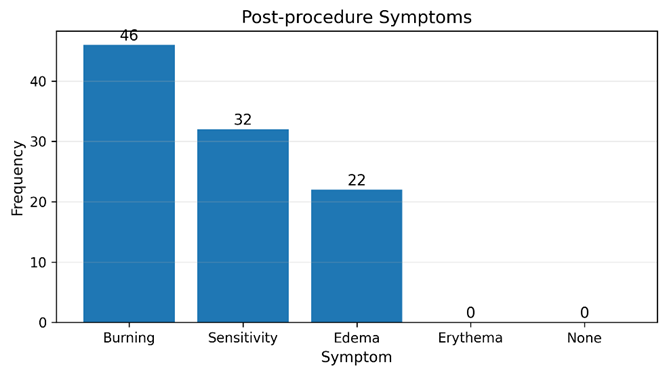
Importantly, no severe adverse events were observed. The most common transient effects included mild burning sensation, hypersensitivity, and edema, all self-limited and resolving within 48 to 72 hours after each session (Figure 13). No cases of infection, post-inflammatory hyperpigmentation, or permanent scarring were reported.
These findings support the clinical feasibility of fractional CO₂ laser for external vulvar aesthetics when applied with appropriate protocols, individualized parameters, and adequate follow-up. Although limited to an observational outpatient cohort, the results suggest that this technology represents a promising noninvasive strategy for vulvar rejuvenation, with a favorable tolerability profile and positive impact on patient self-esteem.
The analysis of data obtained from patient satisfaction questionnaires provides an additional and relevant dimension to the interpretation of the clinical findings observed throughout the follow-up period described in this study, allowing integration of objective treatment response with patients’ subjective perceptions.
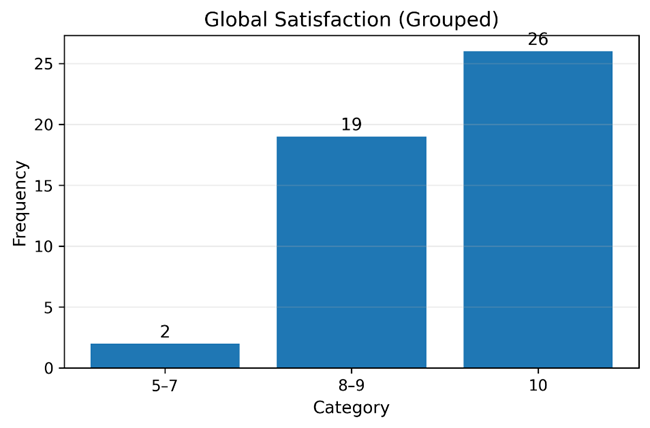
A clear concentration of satisfaction scores was observed in the highest ranges, with a predominance of maximum values (Figure 9), indicating a pattern of high acceptance and consistency of treatment outcomes. This finding is consistent with previous studies reporting high satisfaction rates following the use of fractional CO₂ laser in both aesthetic and functional gynecological applications, often associated with improvements in tissue quality and symptoms related to vulvovaginal atrophy [1,17,49,50]. However, the asymmetric distribution of scores, with an evident ceiling effect, suggests a limitation in the discriminative capacity of the measurement scale used. This aspect is rarely addressed in the literature but represents an important consideration for the critical interpretation of the results.
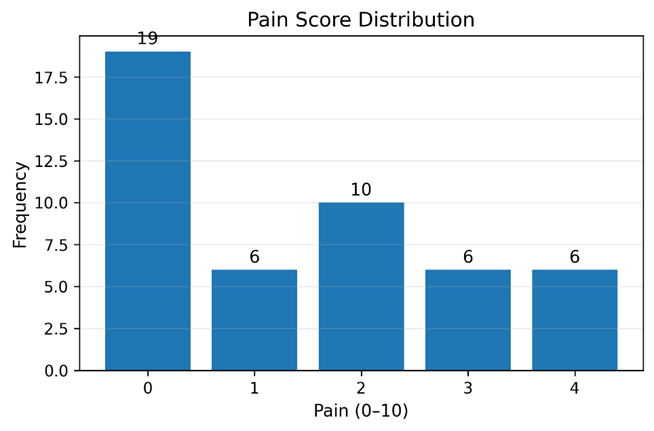
The intensity of pain reported during the procedure showed a predominantly low distribution (Figure 10), with a concentration in the lowest scores, reinforcing the favorable tolerability profile of the method. These findings are consistent with studies describing fractional CO₂ laser as a minimally invasive procedure associated with low levels of discomfort and rapid recovery [51,52]. The apparent lack of association between pain intensity and overall satisfaction suggests that the perceived clinical benefit exerts a greater influence on patients’ final evaluation than the immediate procedural experience, an aspect that remains underexplored in the current literature.
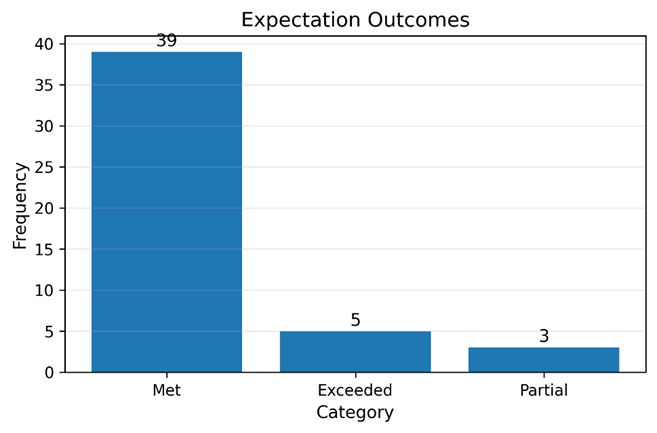
Regarding patient expectations, the majority reported that treatment outcomes met their expectations, while a smaller proportion indicated that results exceeded expectations (Figure 11). This pattern may reflect the predictability of clinical outcomes, a characteristic often associated with well-established treatment protocols. However, it may also suggest a potential limitation in perceived impact, particularly when compared to reports in the literature describing significant improvements in quality of life and sexual function following energy-based laser treatments [53,54].
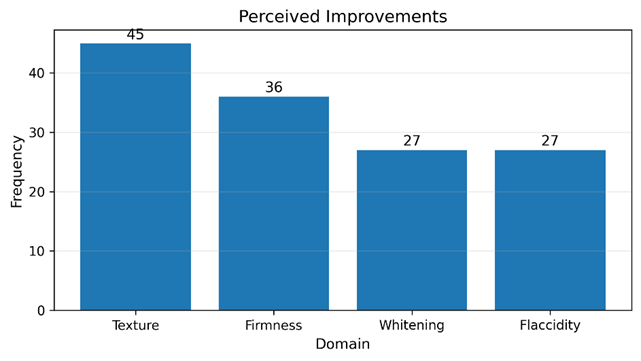
The analysis of subjective improvement domains revealed a predominance of benefits related to vulvar skin texture and firmness (Figure 12), whereas outcomes related to lightening and laxity showed greater variability. These findings are consistent with the mechanism of action of fractional CO₂ laser, which is based on the induction of controlled thermal microinjuries that stimulate dermal remodeling and neocollagenesis, with a more consistent impact on structural tissue parameters [55,56]. The lower consistency observed in outcomes related to pigmentation and laxity suggests that these endpoints may depend on additional factors, such as the number of treatment sessions, individual skin characteristics, and adjunctive therapeutic protocols.
Regarding post-procedural events, the most frequently reported symptoms were burning sensation, sensitivity, and edema (Figure 13), all consistent with the expected inflammatory response following fractional ablative therapies. These findings are in line with the literature, which describes such effects as transient and self-limited, without significant impact on procedural safety when properly indicated [50,51].
Taken together, these findings support the consistency of the observed clinical response, demonstrating that over one year of clinical practice, the use of fractional CO₂ laser in the female intimate region was associated with high levels of patient satisfaction, low morbidity, and a consistent perception of aesthetic improvement. However, the presence of a ceiling effect in satisfaction measures, along with the predominance of outcomes classified as “met expectations” rather than “exceeded expectations,” suggests that although effective, the treatment still presents opportunities for refinement in terms of maximizing perceived patient benefit, an aspect that remains underexplored in the current literature.
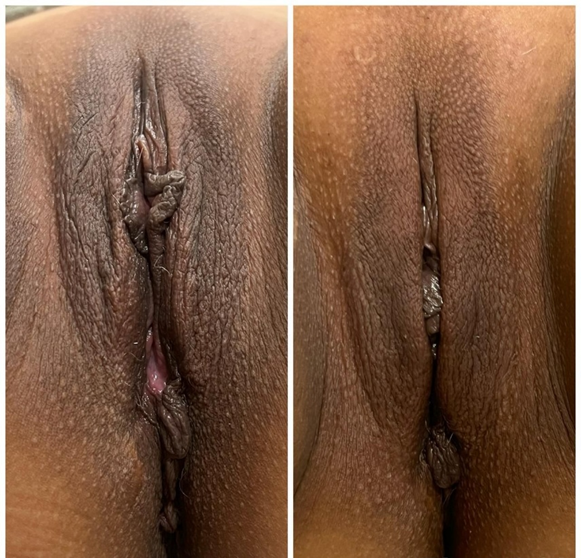
Overall, the findings of the present study are consistent with previous reports [4,17,18,21] supporting the potential of fractional CO₂ laser as an effective and safe modality for vulvar aesthetic rejuvenation. Improvements in skin texture, pigmentation uniformity, and labia majora turgor, combined with high levels of patient-reported satisfaction, reinforce the clinical applicability of this minimally invasive technology for addressing aesthetic concerns in the external intimate region. Previous studies [4,17] have demonstrated that fractional CO₂ laser treatment promotes significant remodeling of vulvar connective tissue, including increased epithelial thickness and collagen deposition, along with clinically perceptible improvements in skin appearance. In the present Brazilian experience, these effects were consistently observed, particularly in women presenting with mild to moderate laxity and hyperpigmentation. Additionally, other authors [1,3] have highlighted that fractional laser therapy facilitates dermal regeneration with minimal downtime and a low risk of adverse effects. Such findings that agree with the present study, in which no significant adverse events were observed, only mild and self-limited transient reactions.
From a methodological point of view, the customization of technical parameters based on skin phototype and predominant aesthetic concerns was essential to ensure both safety and efficacy. The use of nationally developed devices with precise parameter adjustments allowed treatment to be tailored to individual clinical needs, aligning with the recommendations of Anis et al. [5] regarding the importance of a cautious and individualized approach in laser-based intimate aesthetics.
However, it is important to note that international guidelines, such as those proposed by Preti et al. [21], emphasize the lack of randomized controlled trials and recommend caution in the use of these technologies outside controlled research settings. In this context, although the present study has an observational design, it contributes real-world clinical data from a Brazilian outpatient setting, which remains underrepresented in the global literature.
Finally, the results presented here emphasize that fractional CO₂ laser may represent an effective and safe strategy for vulvar rejuvenation when appropriately indicated and technically well executed. The observed aesthetic benefits, combined with the absence of relevant complications and high levels of patient satisfaction, suggest a progressive consolidation of this technology in the field of female intimate aesthetics.
4. Conclusion
The proposed protocol proved to be safe, minimally invasive, and well tolerated, with no significant adverse events observed during follow-up. These results are consistent with previous evidence in the international literature, reinforcing the potential of fractional CO₂ laser as an effective therapeutic tool in female intimate aesthetics. However, the methodological limitations must be acknowledged, as it represents a non-controlled observational cohort. Further randomized studies with larger sample sizes and longer follow-up periods are needed to consolidate these findings and to support the standardization of therapeutic protocols in this emerging field.
Finally, when appropriately indicated and performed by a qualified professional, fractional CO₂ laser represents a modern, safe, and promising alternative for vulvar rejuvenation, with positive effects not only on aesthetic outcomes but also on patient self-esteem and body image perception.
5. Declarations
Ethical Approval and Consent
Appropriate ethical approval and informed patient consent were obtained prior to the commencement of the study.
Acknowledgment
None
Conflict of Interest
The authors declare no conflicts of interest.
Funding Statement
None
Data Availability
All data are available from the corresponding author upon reasonable request.