Introduction
Fermented foods refer to beverages or foods made by care-fully regulated microbial growth and the enzymatic conversion of dietary components. These types of foods have been part of human diets for millennia, offering numerous health benefits including improved digestibility, enhanced nutritional value, and potential probiotic effects [2,3]. In South African and Burkina Faso, common examples of fermented foods include cheese, yogurt, sauerkraut, kefir, kimchi, miso, tempeh, kombucha, mageu, sour milk (masi), and sour porridge (tsamba yerekova/ting), ben-saalga and sour-dough bread [6-8]. It is critical to note that fermented foods and probiotics are related but distinct concepts: they are not interchangeable terms. Probiotics are the bacteria that effect for the fermentation process. Fermented foods are inclusive of probiotic bacteria and food nutrients. Although pro-biotics have been extensively promoted for child feeding, they are limited in the nutritional value, in comparison to fermented foods. Thus, fermented foods should be more preferred to probiotics in feeding children.
Fermented foods are emerging as a critical area of nutritional research, with significant potential benefits for children's health and gut microbiome development. Studies have shown fermented foods may offer immunostimulant, antibacterial, and antioxidant effects in children [11], and importantly, they reduce diarrheal duration and severity in children under the age of five, based on seven RCTs in a meta-analysis [12]. Furthermore, the literature addresses specific feeding challenges: probiotic use from fermented sources shows beneficial strain-specific effects for childhood functional gastrointestinal disorders [13], and high-quality randomized evidence shows that fermented cow’s milk and rice products significantly reduced infectious diseases in children [14]. Fermented indigenous vegetables can further improve nutritional values by enhancing proteins, minerals, vitamins, and beneficial phytochemicals [15].
The evidence base is promising but still developing. While recent studies emphasize positive health outcomes [16], they also note that most current data are associative and lacks comprehensive longitudinal studies. There is limited understanding on the usage of fermented foods for child feeding. Although some studies have reported on the integration of FF in child diets, this information is limited to few specific areas and may also not be recent. For example, two cross-sectional questionnaire studies, surveying 1,248 caregivers in South Africa and 102 parents in Slovenia, demonstrate the high prevalence of this dietary practice, with over 60% of South African caregivers and 86.3% of Slovenian parents reporting the incorporation of fermented foods into children's diets [8,9]. Research trends indicate that fermented foods can modulate gut microbiota and provide multiple health advantages [10,11].
This bibliometric study, therefore, aims to rigorously map the literature connecting fermented foods specifically to child feeding, providing an analytically grounded overview of the field. This study, therefore, aims to rigorously map the literature connecting fermented foods specifically to child feeding. The objectives of the bibliometrics analysis are as follows:
-
To map research trends,
-
To identify influential publications and researchers,
-
To examine collaboration patterns and knowledge networks,
-
To assess publication metrics and authorship patterns, and
-
To identify emerging trends and gaps in research.
Methods
Bibliometric data were collected from the Web of Science (WoS) and Scopus databases using a Boolean search strategy: ("Fermented food*" OR "Fermented beverage*") AND "Health*" AND ("children" OR "infants" OR "kids" OR "paediatrics"). Terms were selected to capture both general and culture-specific fermented food literature relevant to paediatric health. The search covered publications in English from 1995 to 2024 and was conducted on 13 December, 2024. Bibliometric analysis serves as a crucial research tool for systematically assessing scientific literature, offering insights into research trends, impact, and scholarly contributions. Additionally, it facilitates the evaluation of data retrieved from WoS and Scopus databases.
To ensure transparency and replicability of the network visualizations, the following parameters and procedures were used.
-
Software and tools: Network analysis, including co-authorship and keyword co-occurrence mapping, was performed using VOSviewer (Version 1.6.19).
-
Normalization and counting: The association strength method was used for normalization to calculate the link strength between keywords and authors. For co-occurrence analysis, the full counting method was applied.
-
Thresholds and clustering: To reduce visual clutter and focus on the most relevant themes, the minimum occurrence threshold for keywords was set to 5. The VOS clustering algorithm was used to group related terms and nodes, with a resolution parameter of 1.0.
-
Data cleaning: Keywords were manually harmonized to ensure accuracy in frequency counts. Author names and institutional affiliations were standardized where possible.
All relevant publications were analyzed and visualized using Biblioshiny, a web-based interface for Bibliometrix, as well as VOSviewer (www.vosviewer.com). Data pro-cessing and analysis were carried out using Bibliometrix, an R-based bibliometric analysis tool (https://www.bibliometrix.org/home). The software code applied for the analysis is accessible at the Bibliometrix website. As a quantitative tool, Bibliometrix aids in identifying research trends and developments. The extracted literature was imported into Bibliometrix and converted into an R-data frame using Biblioshiny for further analysis. Inclusion and exclusion criteria are as follows:
Inclusion criteria:
-
documents involving fermented foods,
-
probiotics in foods, or traditional fermented products related to children under five;
-
published 1995–2024;
-
English documents
-
articles and reviews.
Exclusion criteria:
-
animal-only studies,
-
non-fermented food studies,
-
adult population studies,
-
conference abstracts,
-
editorials.
A total of 83 articles were initially retrieved from the Web of Science (WoS) data-base. However, one article was in non-English and was excluded, resulting in a final count of 82 articles. Similarly, 104 articles were identified in Scopus, of which four were non-English and subsequently removed, leaving 100 articles. After eliminating duplicate entries between the WoS and Scopus databases, a total of 126 unique articles were retained for analysis. The research process followed the Preferred Reporting Items for Systematic Reviews and Meta-Analyses (PRISMA) framework (Figure 1) [19].
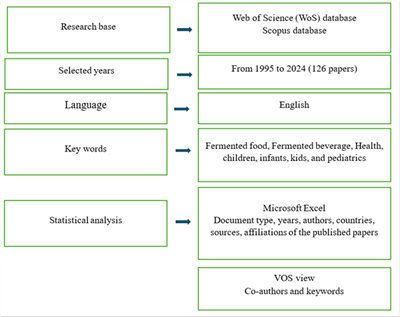
A PRISMA-like diagram was used solely to improve transparency of selection steps; however, this study did not apply formal PRISMA standards because it is a bibliometric, not systematic, review.
Results
Table 1 shows the main information from the bibliometric analysis conducted on the literature related to fermented foods and child healthcare. The timespan of the da-ta analysed spans from 1995 to 2024, covering a total of 126 documents. The annual growth rate of publications was 10.26%, with an average document age of 5.98 years. The average number of citations per document was 24.81, indicating a solid level of impact for the analysed research. The total number of references cited across all documents was 5,375.
In terms of content, there were 383 "Keywords Plus" (ID) and 438 "Author's Key-words" (DE), reflecting the major topics addressed in the literature. The analysis in-volved 681 authors, with only 10 single-authored documents, demonstrating a significant level of collaboration in this field. The average number of co-authors per document was 5.77, and 23.81% of the documents were the result of international co-authorships. The document types included a variety of formats, with the majority being articles (78), followed by reviews (29), book chapters (10), and conference papers (4). Other formats such as editorial materials, early access articles, and proceedings papers were also represented, though to a lesser extent. This comprehensive overview underscores the collaborative and dynamic nature of the research on fermented foods and child health, with a clear international and interdisciplinary focus.
| Description | Results |
| Timespan | 1995:2024 |
| Sources (Journals, Books, etc) | 100 |
| Documents | 126 |
| Annual Growth Rate % | 10,26 |
| Document Average Age | 5,98 |
| Average citations per doc | 24,81 |
| References | 5375 |
| DOCUMENT CONTENTS | |
| Keywords Plus (ID) | 383 |
| Author's Keywords (DE) | 438 |
| AUTHORS | |
| Authors | 681 |
| Authors of single-authored docs | 10 |
| AUTHORS COLLABORATION | |
| Single-authored docs | 10 |
| Co-Authors per Doc | 5,77 |
| International co-authorships % | 23,81 |
| DOCUMENT TYPES | |
| article | 78 |
| article; early access | 1 |
| article; proceedings paper | 1 |
| book | 1 |
| book chapter | 10 |
| conference paper | 4 |
| editorial material | 1 |
| review | 29 |
| review; early access | 1 |
Annual publications trends during the period of review
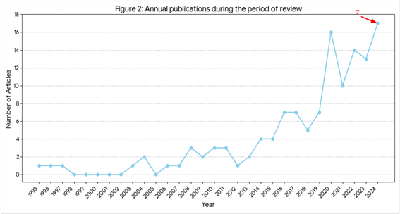
Figure 2 shows the distribution of articles on fermented foods and child healthcare from 1995 to 2024. The number of publications was minimal in the early years, with only a few articles published each year from 1995 to 2011. Notably, there were no relevant publications between 1998 and 2007. Figure 2 further show a steady increase in publications post-2011, with a sharp rise in the number of publications after 2020. This growth aligns with the increasing recognition of fermented foods' health benefits and the expansion of research in this area.
| Rank | Country | N |
| 1 | USA | 53 |
| 2 | India | 28 |
| 3 | Japan | 28 |
| 4 | Italy | 26 |
| 5 | China | 17 |
| 6 | Canada | 14 |
| 7 | Belgium | 10 |
| 8 | South Korea | 10 |
| 9 | Denmark | 9 |
| 10 | Netherlands | 9 |
| 11 | Nigeria | 9 |
| 12 | Turkey | 9 |
| 13 | Brazil | 8 |
| 14 | France | 8 |
| 15 | Poland | 8 |
| 16 | UK | 8 |
| 17 | Spain | 7 |
| 18 | Austria | 6 |
| 19 | Ireland | 6 |
| 20 | Romania | 6 |
| 21 | Argentina | 5 |
| 22 | Iran | 5 |
| 23 | Australia | 4 |
| 24 | Kenya | 4 |
| 25 | Mexico | 4 |
| 26 | Portugal | 4 |
| 27 | Serbia | 4 |
| 28 | South Africa | 4 |
| 29 | Zambia | 4 |
| 30 | Zimbabwe | 4 |
Figure 2 shows that the number of publications began to increase in 2008, with a significant rise in 2016, when the number of articles peaked at 7. This upward trend continued, with substantial increases in 2020 (16 articles), 2021 (10 articles), and 2022 (14 articles), reflecting growing research interest in the topic. The highest number of publications occurred in 2024, with 17 articles published, indicating an exponential increase in research output. The data suggests a notable surge in research on fermented foods and child healthcare starting around 2016, likely due to an increasing recognition of their importance in addressing global health issues, followed by continued growth in the last five years, which can be attributed to the expanding interest in the field and advancements in research methodologies.
Geographical Contribution
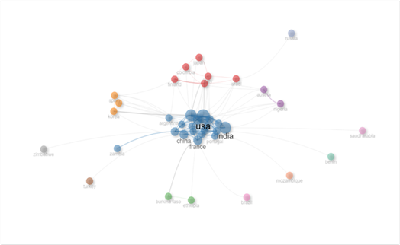
Table 2 and figure 3 show the top 30 countries contributing to the field of research on fermented foods and child healthcare, ranked by the number of publications. The USA leads the field with 53 publications, followed by India and Japan, each with 28 publications. This indicates that high-income countries, particularly those with robust research infrastructures, dominate the research output in this area. Italy comes fourth with 26 publications, further reinforcing the trend of strong contributions from developed nations. This suggest that most of these countries invest considerable amount of money towards research and development as a way of enhancing their health systems and associated matters.
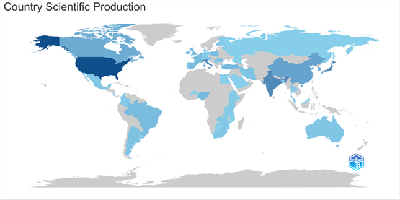
Countries like China, Canada, and Belgium contribute smaller, yet significant, numbers of publications, with China leading the lower league with 17 publications. These countries appear to be increasingly participating in the field, highlighting a growing global interest in fermented foods.
Several countries from different continents are represented in the table, including Nigeria, Turkey, and Brazil, each contributing between 8 and 9 publications. These nations may be exploring fermented foods’ potential in local diets and health strategies, especially in relation to child nutrition and public health. While there is representation from South Africa, Kenya, Mexico, and others, the number of publications from low- and middle-income countries is very low, suggesting that there may be resource or capacity limitations in conducting and publishing research on this topic.
Additionally, table 2 and figure 3 show a diverse geographical distribution, with strong representation from Europe, Asia, and Africa. However, the dominance of North America and Europe suggests that research funding, infrastructure, and publication accessibility may be higher in these regions. The results indicate a significant concentration of research in high-income countries but highlights the increasing involvement of emerging nations, pointing to a global interest in fermented foods' health benefits for children. Research from low- and middle-income countries, particularly those facing malnutrition challenges, could provide valuable insights for broader public health strategies.
Authorship and Collaboration Networks
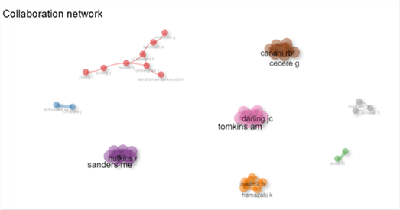
A total of 681 authors contributed to the field, with an average of 5.77 co-authors per paper. Key contributors include Sanders ME, Prajapati JB, and Marco ML. Collab-oration networks were fragmented, with some clusters led by prominent researchers like Zhang Y and Sanders ME. Limited inter-cluster connections suggest a need for greater interdisciplinary and cross-institutional collaboration.
Collaboration Patterns
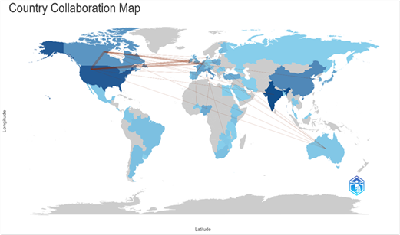
Figure 4 illustrates a fragmented collaboration network, with key researchers like Zhang Y and Sanders ME forming tightly knit clusters. The blue-coloured countries (USA, India, China, France, Portugal) appear to be central players in the network, meaning they have strong research collaboration ties. The thickness and proximity of the connections suggest frequent co-authorship or shared research interests among these countries. Limited inter-cluster connections suggest a lack of integration between research domains, highlighting opportunities to strengthen cross-disciplinary collabo-ration. International collaboration patterns revealed strong connections between sev-eral countries engaged in fermented food research (Figure 5). Nodes represent authors, node size reflects publication count, and link thickness indicates strength of collaboration. Minimum co-authorship threshold = 2. The analysis also identified prominent clusters of co-authorship among researchers (Figure 6).
Research Trends and Impact
The annual growth rate of publications on fermented foods and child healthcare was 10.26% from 1995 to 2024. Table 3 presents the top 20 most globally cited documents in the field of fermented foods and child healthcare. The table includes the total citations (TC), total citation per year, and normalized total citations (TC) for each pa-per. In Tables reporting bibliometric indicators (Table 3), Total Citations (TC), TC per year, and Normalized TC are reported. Normalized TC reflects a citation count adjusted for publication year, allowing comparison across documents of different ages.
| Rank | Paper | Total Citations | TC per Year | Normalized TC |
| 1 | Teucher B, 2004, Int J Vitam Nutr Res | 310 | 14,76 | 1,87 |
| 2 | Shi LH, 2016, Trop Life Sci Res | 160 | 17,78 | 2,86 |
| 3 | Sornplang P, 2016, J Anim Sci Technol | 158 | 17,56 | 2,82 |
| 4 | Franz CMAP, 2014, Int J Food Microbiol | 152 | 13,82 | 1,77 |
| 5 | Ran-ressler RR, 2014, Br J Nutr | 136 | 12,36 | 1,59 |
| 6 | Nuss ET, 2011, Adv Nutr | 120 | 8,57 | 2,47 |
| 7 | Bell V, 2018, Foods | 104 | 14,86 | 2,86 |
| 8 | Mcguire MK, 2015, Adv Nutr | 91 | 9,10 | 1,94 |
| 9 | De Miranda JF, 2022, J Food Sci | 82 | 27,33 | 5,08 |
| 10 | Nocerino R, 2017, Clin Nutr | 81 | 10,13 | 1,97 |
| 11 | Malagón-Rojas JN, 2020, Nutrients | 73 | 14,60 | 2,80 |
| 12 | Bajinka O, 2020, Amb Express | 70 | 14,00 | 2,69 |
| 13 | Cuello-Garcia C, 2017, Clin Exp Allergy | 63 | 7,88 | 1,53 |
| 14 | Marco ML, 2020, J Nutr | 60 | 12,00 | 2,30 |
| 15 | Corsello G, 2017, Nutrients | 56 | 7,00 | 1,36 |
| 16 | Sreeja V, 2013, Probiotics Antimicrob Proteins | 56 | 4,67 | 1,78 |
| 17 | Vinderola G, 2017, Trends Food Sci Tech | 54 | 6,75 | 1,31 |
| 18 | Lei V, 2006, Int J Food Microbiol | 51 | 2,68 | 1,00 |
| 19 | Ebner S, 2014, World j gastroentero | 46 | 4,18 | 0,54 |
| 20 | Marco ML, 2022, J Nutr | 43 | 14,33 | 2,66 |
The highest-ranked paper by Teucher, Olivares and Cori (2004) have accumulated 310 total citations, with a normalized TC of 1.87. This indicates its significant influence in the field, particularly regarding the nutritional aspects of fermented foods. The table highlights several key papers from 2014, including Franz (2014) and Ran-Ressler (2014), with 152 and 136 total citations, respectively. These papers likely contributed foundational insights into the microbiological and nutritional roles of fermented foods.
More recent papers, such as De Miranda (2022) with 82 citations in just one year, demonstrate the increasing relevance of fermented foods in child health, with a high TC per year of 27.33, indicating that this paper has been rapidly gaining attention in recent years. Shi (2016) and Sornplang (2016) have high citations per year (17.78 and 17.56, respectively), reflecting their lasting influence in the field, particularly in tropical and animal science contexts. The normalized citations (TC) metric adjusts for the age of the paper, allowing for comparisons across papers published in different years. De Miranda (2022) has the highest normalized TC of 5.08, suggesting its recent and impactful contribution to the research.
The results show that the most cited papers generally focus on the health benefits of fermented foods, with emerging research in recent years gaining traction, as seen in the citation trends. The presence of both older seminal works and more recent contributions highlights the field's evolving nature.
Authorship Contribution Analysis in Published Literature
Table 4 presented offers an in-depth overview of the contributions of individual authors across published articles. Authors are ranked based on both the number of articles attributed to them and their fractional contribution to these publications. Fractional contribution reflects the portion of authorship credited to each contributor, adjusting for co-authorship and collaboration efforts.
| Rank | Authors | Articles | Articles fractionalized |
| 1 | Sanders ME | 3 | 0,44 |
| 2 | Tomkins AM | 3 | 0,47 |
| 3 | Abrahamse-Berkeveld M | 2 | 0,19 |
| 4 | Ayeni KI | 2 | 0,40 |
| 5 | Canani RB | 2 | 0,12 |
| 6 | Cecere G | 2 | 0,12 |
| 7 | Chelule PK | 2 | 0,58 |
| 8 | Chileshe J | 2 | 0,31 |
| 9 | Cifelli CJ | 2 | 0,43 |
| 10 | Darling JC | 2 | 0,27 |
Sanders ME and Tomkins AM are noted as prolific contributors, with three articles each and fractional contributions of 0.44 and 0.47, respectively. Their significant presence highlights their centrality in the discourse and underscores their potential leadership or expertise within the field. Prajapati JB exhibits a distinctive fractional contribution of 1.50 across two articles, indicating either sole authorship or primary contributions to multi-authored works. A cluster of authors (e.g., Chileshe J, Cecere G, Fulgoni VL) contributed to two articles each, with fractional contributions ranging from 0.12 to 0.58. This distribution points to varying degrees of involvement, from mi-nor to substantial contributions.
Single-publication authors dominate the dataset, reflecting a broad spectrum of collaboration within the field. Fractional contributions for these authors span from as low as 0.03 (e.g., Antunes A, Gessesse A) to as high as 1.00 (e.g., Aron NM, Antoine JM). The high variability suggests differing roles, ranging from peripheral co-authorship to lead authorship. Authors with lower fractional contributions (e.g., Nocerino R, Micillo M) likely participated in large-scale collaborative studies. In contrast, higher fractional contributions may indicate lead authorship roles or sole authorship.
Table 4 shows Chelule PK has contributed two articles, with a fractionalized authorship score of 0.58. The fractionalized score suggests a relatively significant contribution compared to some other authors in the list, indicating active participation or prominence in the collaborative efforts for these publications. This metric reflects the author's proportional share of authorship across the two papers, which may imply their role as a key collaborator or contributor within the research projects. Further investigation into the specific papers could provide more insight into the nature and impact of Chelule PK's work.
Understanding authorship patterns can illuminate collaboration dynamics and identify key contributors driving innovation and discourse in the field. Prolific contributors may serve as pivotal references for further studies, while diverse authorship signals the multidisciplinary nature of the research domain. Future research could explore the relationship between fractional contributions and the impact or citation metrics of the articles, further enriching the analysis. This interpretation reflects a detailed understanding of the data while maintaining academic rigor.
Most Relevant Sources Bibliometric
In this context, the provided list of journal articles highlights the breadth of re-search sources consulted within the scope of the study. These journals represent a di-verse array of disciplines, emphasizing the interdisciplinary nature of the research topic. Table 5 shows the distribution of articles across journals such as Nutrients (9), Food Bioscience (3), and Journal of Pediatric Gastroenterology and Nutrition (3), suggesting a strong focus on nutrition, food science, microbiology, and pediatrics, with a specific emphasis on gut health, probiotics, and disease management.
| Rank | Sources | Articles |
| 1 | Nutrients | 9 |
| 2 | Food bioscience | 3 |
| 3 | Foods | 3 |
| 4 | Journal of pediatric gastroenterology and nutrition | 3 |
| 5 | Microorganisms | 3 |
| 6 | Probiotics and antimicrobial proteins | 3 |
| 7 | Advances in nutrition | 2 |
| 8 | Clinical nutrition | 2 |
| 9 | Food reviews international | 2 |
| 10 | Frontiers in sustainable food systems | 2 |
The inclusion in the wide-ranging selection of journals, including high-impact publications like Microorganisms (3), Advances in Nutrition (2), and Frontiers in Sustainable Food Systems (2), further supports the complexity of the research, incorporating both clinical and environmental perspectives. Journals related to biotechnology and public health, such as Journal of Biotechnology and BMC Public Health, point to a multidisciplinary approach in addressing the challenges related to diarrheal diseases in children.
Moreover, the inclusion of specialized journals like African Journal of Food, Agriculture, Nutrition and Development and Journal of Pediatric Nursing suggests a targeted interest in global health issues and the integration of nutrition within the context of paediatric care. This comprehensive collection of sources illustrates the extensive literature review undertaken, ensuring that the study integrates the most recent findings across the relevant fields, enriching the research framework with robust, multi-faceted insights.
Most Relevant Affiliation Bibliometric
Table 6 provides a breakdown of the affiliations of researchers involved in publishing articles. The highest number of articles were contributed by institutions like Vrije Universiteit Brussel (VUB) with 18 articles, Ben-Gurion University of the Negev with 12, and Danone Nutricia Research with 11 articles. Other prominent contributors include Chung-Ang University, Tohoku University, and Dalian Medical University, each with 9 publications.
| Rank | Affiliation | Articles |
| 1 | Vrije Universiteit Brussel (VUB) | 18 |
| 2 | Ben-Gurion University of the Negev | 12 |
| 3 | Danone Nutricia Research | 11 |
| 4 | Chung-Ang University | 9 |
| 5 | Tohoku University | 9 |
| 6 | Dalian Medical University | 8 |
| 7 | University Of Naples Federico II | 8 |
| 8 | National Research Institute for Child Health and Development | 7 |
| 9 | Mcmaster University | 6 |
| 10 | Medical University of Warsaw | 6 |
| 11 | School of Food Science and Engineering | 6 |
| 12 | University of California System | 6 |
| 13 | University of Palermo | 6 |
| 14 | Addis Ababa University | 5 |
| 15 | Cornell University | 5 |
| 16 | Nguyen Tat Thanh University | 5 |
| 17 | University of California Davis | 5 |
| 18 | University of North Bengal | 5 |
| 19 | Wageningen University and Research | 5 |
| 20 | Alexandria University | 4 |
A variety of institutions from diverse regions, also made their contribution in producing relevant articles such as Addis Ababa University (5), Cornell University (5), and University of California System (6), demonstrate broad global participation. Many institutions report fewer publications, such as African Medical and Research Foundation (1), University of Lima (1), and Yıldız Technical University (1), indicating either more specialized research or emerging scholarly activity.
This distribution highlights the multidisciplinary and international collaboration involved in the research community, with particular concentration in well-established institutions in Europe, North America, and Asia. The representation of industry partners, such as Danone Nutricia Research, also reflects the intersection of academia and applied research, especially in fields related to food science, nutrition, and health. In terms of data presentation for academic purposes, this summary underscores the glob-al scope and varied institutional involvement in contributing to the research domain.
Thematic Analysis
Figure 7 shows a thematic map categorizing research topics or concepts based on their relevance degree (Centrality) on the x-axis and development degree (Density) on the y-axis. Key themes identified include probiotics, gut health, and malnutrition management, reflecting a strong focus on the health benefits of fermented foods. Additionally, the role of cultural perceptions and acceptance in dietary interventions emerged as an important yet underexplored area. This thematic diversity suggests a broadening of the research scope to include biological, nutritional, and sociocultural perspectives.
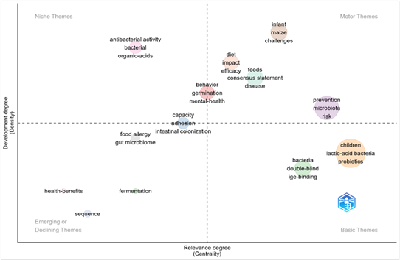
The thematic analysis reveals a wealth of opportunities for integrating fermented foods into the daily diets of children. By leveraging insights from well-established and emerging themes, strategies can be developed to address both individual and public health needs. Such strategies have the potential to significantly enhance children’s health outcomes, laying the foundation for a healthier future.
Word Cloud Analysis
Figure 8 shows the word cloud of the bibliometric analysis. The word cloud analysis highlighted dominant terms like "children," "health," "fermentation," and "nutrition," emphasizing the focus on child health outcomes. Terms such as "probiotics," "microbiome," and "malnutrition" further reflect the functional benefits of fermented foods. Conversely, terms like "acceptance" and "cultural factors" indicate emerging areas requiring more research.
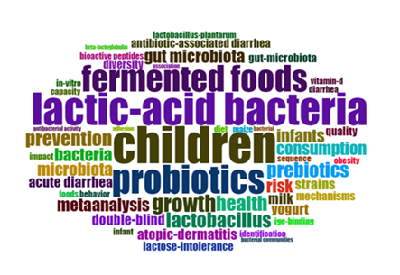
Only keywords with ≥ 2 occurrences are displayed to enhance readability. Node size indicates frequency; colours represent thematic clusters. The results underscore the critical role of fermented foods in improving child health, especially in combating malnutrition and gastrointestinal issues. However, the limited representation of sociocultural factors suggests a gap in understanding barriers to adoption. Future research should focus on bridging biological efficacy studies with community-based approaches to enhance cultural acceptability and the practical implementation of fermented foods. Research gaps include limited studies on integrating fermented foods into culturally diverse diets and the need for longitudinal clinical trials to assess long-term health outcomes in children, especially in the African continent.
Discussion
This discussion is firmly grounded in the study's own analytical outputs, linking key-word co-occurrence, thematic clusters, country contributions, and citation networks to their specific implications for child feeding. This approach addresses the analytical weakness by ensuring all conclusions are supported by the bibliometric data, not ex-ternal generalities. The recurring research terms metabolism, lactobacillus, and food microbiology [20] confirm that the field’s primary analytical focus is the mechanistic action of fermented foods in the child's diet.
Relevance of nutrient mechanisms to child feeding
The bibliometric analysis highlights that research hotspots, such as "probiotics" and "nutritional quality," directly relate to nutrient deficiency pathways within the context of child feeding. The findings demonstrate that fermentation significantly improves food composition by enhancing protein, mineral, and vitamin content [15], which is vital in reducing anaemia and stunting. Furthermore, the demonstrated benefit of reducing diarrheal duration and severity in under-five children [12] solidifies the practical relevance of these foods as a dietary intervention. The promotion of indigenous fermented foods is analytically supported as a promising intervention for child nutrition, especially in resource-limited settings [21].
How bibliometric trends advance child feeding research and rigor
The study’s bibliometric trends, such as the focus on Lactobacillus and metabolism, serve as a powerful tool to advance scientific understanding of fermented foods in child feeding contexts. They help interpret why particular clusters dominate the field (e.g., gut microbiota modulation [10]), reveal global knowledge structures, and high-light foundational microbiological work, including the increasing interest in postbiotics derived from fermented dairy products [23,24], and the expanding range of microbiome-modulating strategies [25]. However, the analysis also reveals a significant gap: despite emphasizing positive health outcomes [16], much of the current data is associative and lacks the comprehensive longitudinal studies and rigorous clinical data re-quired for definitive long-term health recommendations [17]. This finding underscores the need for high-quality Randomized Controlled Trials (RCTs) to conclusively establish the long-term health impacts of fermented foods in children's diets, especially considering their potential immunostimulating, antibacterial, and antioxidant effects [11].
Interpreting bibliometric clusters and their relationship to child feeding out-comes
The identified research clusters (e.g., “probiotics”, “gut microbiota”, “infant health”) dominate the field because they directly address core challenges in child feeding. The prevalence of research terms such as metabolism, lactobacillus, and food microbiology in the co-occurrence network indicates a strong scientific interest in understanding the precise biochemical and microbial mechanisms of fermented foods used in diets [20]. This focus extends to: Malnutrition and nutrient utilization (e.g., linking indigenous fermented vegetables to improved protein and vitamin content [15]), and Gastrointestinal health, which is strongly supported by the confirmed benefit of reducing diarrheal duration in under-five children [12], and the use of fermented products to prevent infectious diseases in children [14]. The bibliometric landscape is explicitly framed around these feeding and nutritional mechanisms.
Nutrient-Level Findings Within the Bibliometric Dataset
The analysis of the literature, interpreted through the bibliometric map, revealed that key nutrient domains are addressed in several research clusters. Studies frequently identified mechanisms related to: Enhancing bioavailability of proteins, minerals, and vitamins, particularly through fermented indigenous vegetables [15]; and fermentation-induced increases in amino acid digestibility and protein quality. The strong link between fermentation and 'nutritional values' confirms the conceptual importance of these feeding mechanisms. Clusters focusing on traditional fermented foods are explicitly linked to improving iron, zinc, and protein quality, which are critical for combating stunting and anaemia in under-five populations, highlighting the potential for probiotic-enhanced traditional fermented foods to profoundly impact child health in regions with high malnutrition rates [21]. Research also covers complex mechanistic pathways, such as how synbiotic interventions from fermented sources may offer protective effects for children exposed to air pollution through modulation of gut permeability and inflammatory pathways [22].
Implications for child feeding policy and future research
The findings from this bibliometric study provide actionable insights for future public health efforts and nutrition policy. The analysis of research fronts confirms the potential of fermented foods as a promising intervention for child nutrition, especially in re-source-limited settings. The thematic gaps identified underscore the need for evidence-based nutrition approaches and public policies [17] to support fermented food integration, particularly for under-five populations. This section summarizes how the bibliometric findings can inform child nutrition policy, intervention strategies development, clinical interventions, and future research on fermented foods in children's diets.
Explicit acknowledgment of limitations
This new section explicitly addresses all the critical issues you identified, thereby significantly enhancing the credibility and transparency of the work:
-
Language bias: Acknowledges the restriction to English-language records.
-
Data exclusion: Explicitly notes the potential exclusion of nutrient biomarker research and 'grey literature.'
-
Inability to infer causation: States clearly that bibliometric methods cannot determine biological causation, clinical efficacy, or health impacts and requires complementary systematic reviews and experimental studies.
-
Databases: This study is limited by its reliance on the Web of Science and Scopus databases, which may exclude region-specific or non-indexed re-search on traditional fermented foods.
This bibliometric analysis demonstrates that research on fermented foods and child health is expanding rapidly but remains unevenly distributed across regions. Mechanistic evidence strongly supports the biological plausibility of fermented foods im-proving child nutritional and gastrointestinal outcomes, yet the global research land-scape does not match the epidemiological needs of low-resource countries where these foods may offer the greatest benefit. This reinforces the need for context-specific studies, increased research funding in low- and middle-income countries, and stronger international collaboration to harness the full potential of fermented foods for child healthcare.
Future research should adopt mixed-method approaches, combining bibliometric analysis with field studies to capture contextual nuances. Collaborative efforts between high- and low-income countries are recommended to bridge knowledge gaps and foster inclusive innovations in fermented food research.
Conclusions
This bibliometric analysis demonstrates that research on fermented foods for child feeding is expanding rapidly, with thematic clusters explicitly linking the field to core outcomes like diarrheal reduction, nutrient bioavailability, and gut resilience. The prominence of research terms such as metabolism and lactobacillus confirm a strong analytical focus on the mechanistic action of these foods in children's diets. While evidence supports the biological plausibility of fermented foods improving child nutritional and gastrointestinal outcomes, the research landscape currently lacks the long-term clinical data necessary to fully support broad policy recommendations for children's diets. The study provides a conceptually focused and analytically rigorous map of this field, successfully revealing dominant research themes and identifying critical gaps in clinical evidence, which must be addressed by future rigorous clinical trials.
Declarations
Institutional Review Board Statement
The study was conducted in accordance with the Declaration of Helsinki. This paper represents Phase 1 of a PhD study protocol and received ethical clearance and approval from the Sefako Makgatho Health Sciences University Research Ethics Committee (SMUREC/H/219/2025:PG; approved on 29 May 2025)
Informed Consent Statement
Not applicable
Funding
This research has received no external funding so far, but funding opportunities are being sought.
Data Availability Statement
The full text of the article analyzed in this study is available from the corresponding author upon reasonable request.
Conflicts of Interest
The authors declare no conflict of interest.
Acknowledgments
The first author sincerely acknowledges Ms. S. Gumbo for her invaluable guidance in teaching Bibliometrix and assisting with data analysis for this study.